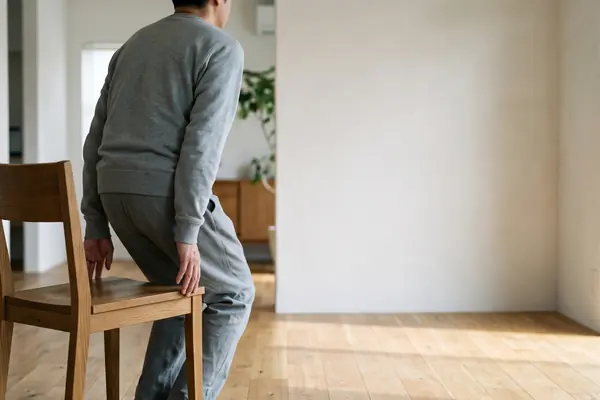
WHAT A REP IS
One movement, repeated
A repetition is one go at an exercise, like standing up from a chair once. The NHS says to do strength exercises to the point where you need a short rest before repeating.
See the routine doodlerep
WHAT THE GUIDANCE SAYS
Strength is the half of the guidelines most people forget.
Try the routine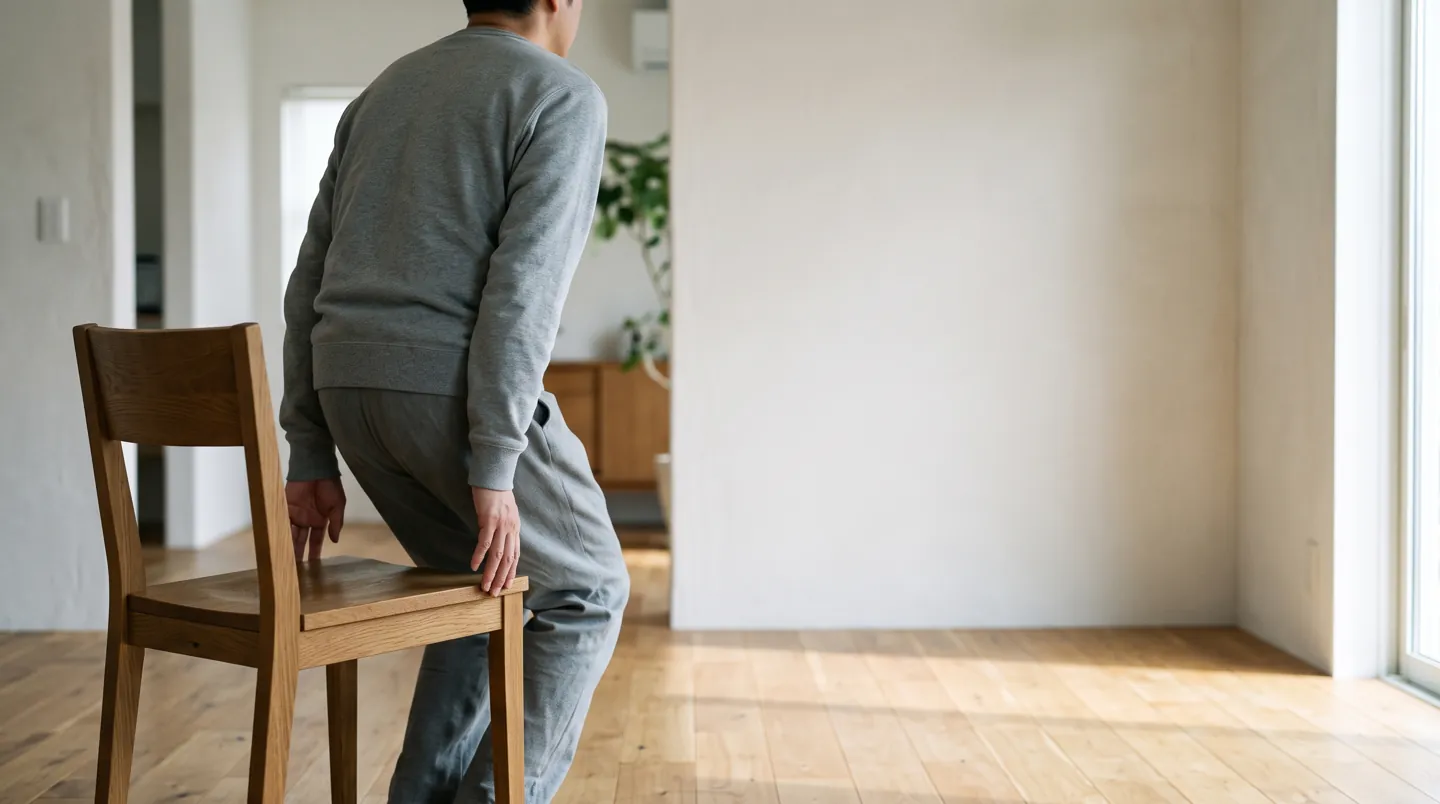
2 DAYSa week, all major muscles
Alongside 150 minutes of moderate activity, the NHS asks adults to strengthen all the major muscle groups on at least 2 days a week. A rep is one go at a movement; the guidance is to keep going until you need a short rest.
Updated
THE SHORT ANSWER
Strength activity is a separate target.
It sits alongside your aerobic minutes.
WHAT A REP IS
A repetition is one go at an exercise, like standing up from a chair once. The NHS says to do strength exercises to the point where you need a short rest before repeating.
See the routineHOW MANY
The NHS home routine starts at 5 reps for most moves and 3 sets for some. It advises building up slowly and gradually increasing the repetitions over time.
How to startWHAT COUNTS
Carrying heavy shopping, yoga, pilates, tai chi, resistance bands and heavy gardening such as digging all count as muscle-strengthening activities.
More examplesTHE NHS HOME ROUTINE
Pick an exercise from the NHS strength routine to see the reps it suggests. The bar shows how much work the move asks for in one session.
From the NHS strength exercises page. Speak to a GP first if you have not exercised for some time or have medical concerns.
TWO NUMBERS WORTH KNOWING
Two national surveys, measured differently,
so they cannot be compared directly.
62–66%
Adults meeting the muscle strength guideline
Sport England found 66% of men and 62% of women meet it. Only a quarter of people aged 85 and over do.
ACTIVE LIVES SURVEY
23–31%
Adults meeting both aerobic and strength guidelines
Only 31% of men and 23% of women met both. This survey counted different activities and did not include walking.
HEALTH SURVEY FOR ENGLAND
Source: Sport England, Why we now measure strength in Active Lives, citing the Active Lives Adult Survey and the Health Survey for England.

GETTING STARTED
The NHS routine is designed to be done at home, even if you have not done much for a while. It suggests doing it at least twice a week.
Choose a stable chair without wheels or arms that will not slip, so you can sit with feet flat and knees at right angles.
Most moves in the routine start at 5 repetitions. Go slowly and keep the movement controlled.
Work to the point where you need a short rest, then do another set if the exercise suggests one.
Build up slowly, gradually increasing the repetitions of each exercise as it gets easier.
EVERYDAY STRENGTH
The NHS lists carrying heavy shopping bags, lifting and carrying children, wheeling a wheelchair, heavy gardening, and body-weight moves like push-ups and sit-ups as muscle-strengthening activities.
Strength work is not always aerobic, so it is done as well as the 150 minutes of aerobic activity, on the same or different days. Adults aged 65 and over are asked to do activities that improve strength, balance and flexibility on at least 2 days a week.

Questions
Short for repetition: one complete go at an exercise, such as standing up from a chair and sitting down again. A set is a group of reps done before a rest.
The NHS does not set one number for everyone. Its guidance is to do strength exercises to the point where you need a short rest. Its home routine starts at 5 reps for most moves and builds up slowly.
All the major muscle groups: legs, hips, back, abdomen, chest, shoulders and arms, on at least 2 days a week.
The NHS lists walking as aerobic activity. Muscle-strengthening is a separate target done as well as your 150 minutes, though carrying heavy shopping or climbing stairs can add load.
No. Adults over 65 are asked to do activities that improve strength, balance and flexibility on at least 2 days a week, and the NHS home routine is designed to be gentle.
ABOUT THIS NAME
doodlerep.com is part of the DoodleSale portfolio. It isn't in an auction right now, but you can ask about leasing it.